
Who Is a Good Candidate for Contact Lenses? What to Know Before Making the Change


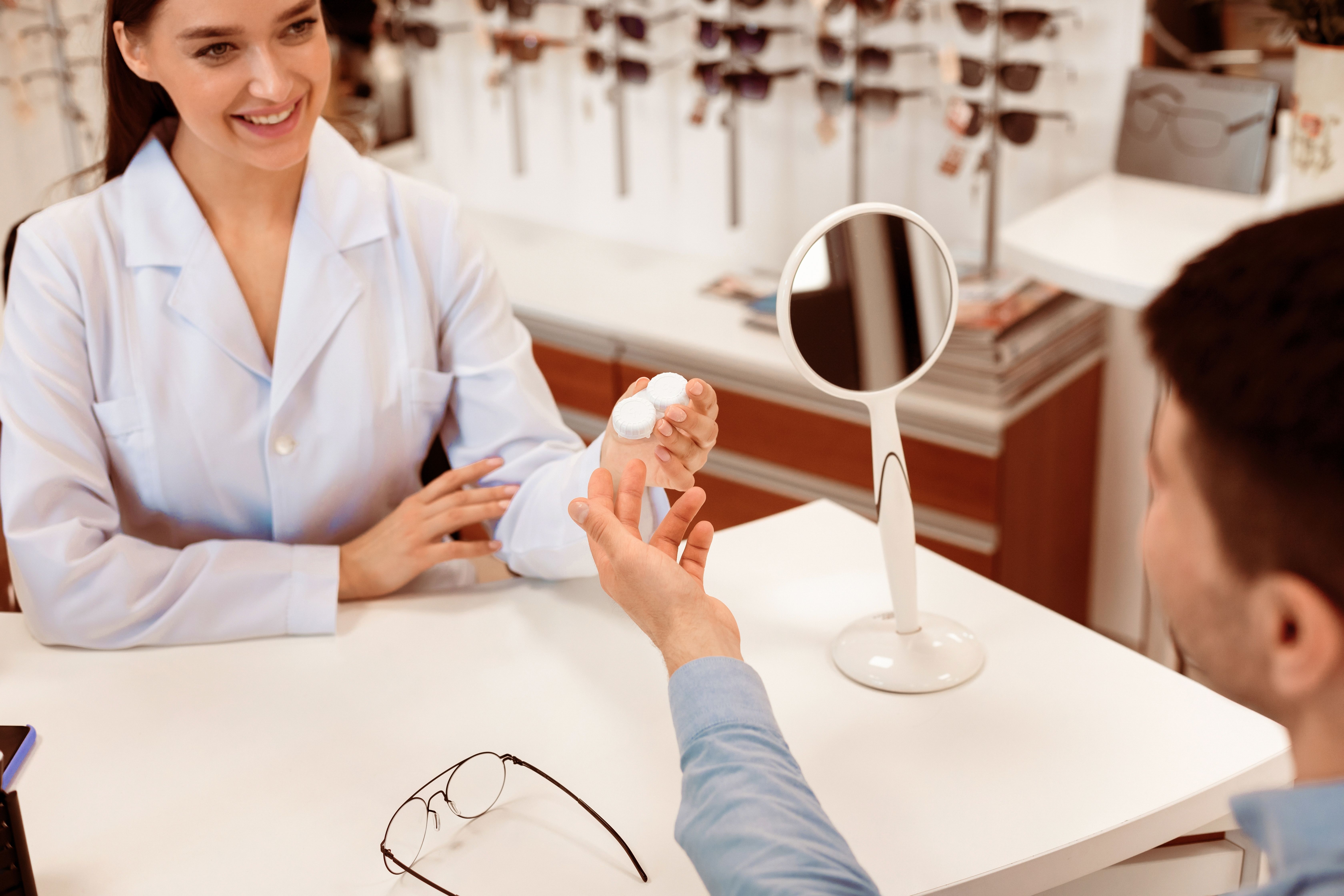
If you’ve been relying on glasses to correct your vision, you may be wondering whether contact lenses are a good alternative. Contacts offer convenience, freedom, and a wider field of view - but they’re not a one-size-fits-all solution. At Miller Vision Center, we help patients determine whether contact lenses fit their lifestyle, vision needs, and eye health before making the switch.
Here’s what you should know about who makes a good candidate for contact lenses and what to consider before transitioning from glasses.
Understanding Your Vision Needs
Contact lenses can correct many of the same vision issues as glasses. You may be a strong candidate if you have:
- Nearsightedness (myopia)
- Farsightedness (hyperopia)
- Astigmatism
- Presbyopia (age-related difficulty focusing up close)
Modern lens technology includes toric lenses for astigmatism and multifocal options for patients who need help with both distance and near vision. During a comprehensive eye exam, your eye doctor will evaluate your prescription and determine which lens types are appropriate for your specific vision correction needs.
Healthy Eyes Are Essential
Good eye health is one of the most important factors in determining contact lens candidacy. You may be a suitable candidate if:
- Your eyes are free from active infections or significant inflammation
- You do not have severe dry eye
- You are willing to maintain proper hygiene and follow wear schedules
Certain conditions - such as chronic dry eye, allergies, or recurrent eye infections - may require additional management before contact lens wear is recommended. In some cases, specialty lenses can be used to improve comfort for patients with mild dry eye or irregular corneas.
A thorough evaluation at Miller Vision Center allows us to assess your tear film quality, corneal health, and overall eye surface to ensure safe and comfortable lens wear.
Lifestyle Considerations
Your daily routine plays a big role in determining whether contact lenses are right for you.
You may benefit from contacts if you:
- Participate in sports or active hobbies
- Prefer not to wear glasses for cosmetic reasons
- Work in environments where glasses fog or get in the way
- Want a wider, unobstructed field of vision
Contact lenses move with your eyes, providing natural peripheral vision and eliminating the weight or pressure of frames. Many patients appreciate the flexibility of switching between glasses and contacts depending on their activities.
Age and Responsibility Matter
Contact lenses are suitable for teens and adults, and even younger children in certain situations. However, maturity and responsibility are key factors.
Because contacts require proper cleaning, storage, and handling, candidates must be committed to:
- Washing hands before inserting or removing lenses
- Following replacement schedules
- Attending routine eye exams
- Avoiding overnight wear unless specifically prescribed
For younger patients, parents should feel confident that their child can manage lens care responsibly.
What to Know Before Making the Change
Switching to contact lenses involves more than simply receiving a prescription. Here’s what to expect:
A Contact Lens Exam and Fitting
A contact lens exam includes additional measurements beyond a standard vision test. Your eye doctor will evaluate corneal curvature and determine the correct lens size and material for your eyes.
A Trial Period
Most patients receive trial lenses to test comfort and vision clarity. This allows for adjustments before finalizing your prescription.
A Learning Curve
It’s normal to feel slightly unsure during the first few days of inserting and removing lenses. With practice and guidance, most patients quickly become comfortable.
Ongoing Care
Routine follow-up appointments are essential to monitor eye health and ensure your lenses continue to fit properly over time.
When Contact Lenses May Not Be Ideal
While many people are good candidates, contacts may not be recommended if you:
- Have severe dry eye that does not respond to treatment
- Frequently experience eye infections
- Are unable to maintain proper hygiene
- Have certain corneal diseases without specialty lens options
If contacts are not appropriate, your eye doctor can discuss alternative solutions that support both clear vision and long-term eye health.
Making the Right Decision for Your Eyes
Choosing contact lenses is a personal decision that should balance convenience, comfort, and eye health. The best way to determine if you’re a good candidate is through a comprehensive evaluation with an experienced eye care provider.
If you’re considering making the switch to contact lenses, schedule an appointment at Miller Vision Center. Contact our office in Norman, Oklahoma, or call (405) 389-4200 today to schedule a comprehensive eye exam.
Quick Links

All Eye
Care Services

Keep
In Touch
Monday - Wednesday
9:00 AM to 05:00 PM
Tuesday - Thursday
9:00 AM to 05:00 PM
Friday
9:00 AM to 12:00 PM
Saturday
Closed
© 2026 Miller Vision Center - All Rights Reserved - Accessibility Statement - Privacy Policy - Sitemap
Powered by 