Contact Lenses For Norman & South Oklahoma City
Life looks a little different when you don’t have to reach for your glasses every morning. Miller Vision Center helps patients find contact lenses that provide clear, comfortable vision while fitting naturally into their everyday lives. Our Norman eye doctor takes the time to understand your eyes, your vision, and how you plan to wear your contacts.
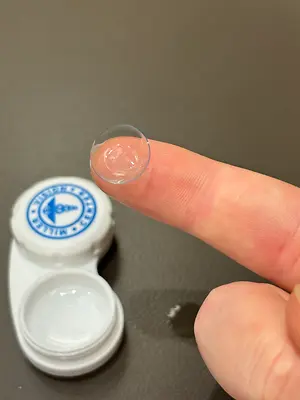
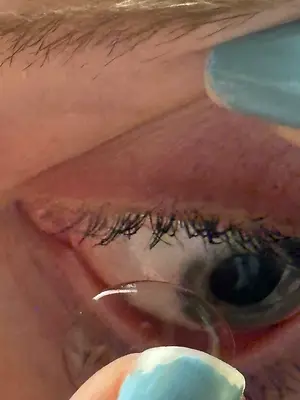
Contact Lenses That Fit Your Eyes & Your Lifestyle
Contact lenses aren’t one-size-fits-all. Your prescription matters, but so do the shape and health of your eyes and your daily routine.
Miller Vision Center offers a variety of contact lens options for different vision needs. From everyday soft contacts to lenses for astigmatism and multifocal vision, Chris Miller, O.D., can help you sort through the choices and recommend an option suited to your eyes and lifestyle.
A Good Contact Lens Fit Starts With a Contact Lens Exam
Your eyeglasses prescription alone doesn’t provide all the information needed for contact lenses. Contacts sit directly on your eyes, so getting the right fit is important for seeing clearly and comfortably.
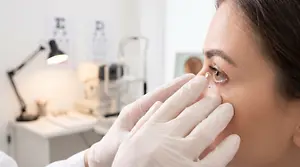
During a contact lens exam, Dr. Miller evaluates your vision and determines an appropriate contact lens prescription and fit. We’ll also talk about your preferences and routine, so your contacts work for your everyday life, not just your prescription.
Types of Contact Lenses We Offer
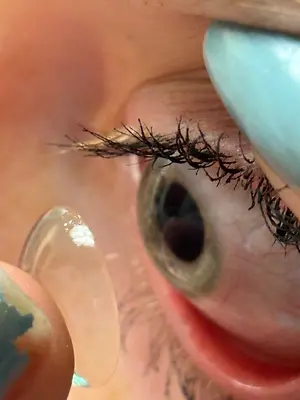
Standard Soft Contact Lenses
Soft contact lenses are a popular option for everyday vision correction. Miller Vision Center offers soft lenses with different replacement schedules and designs, giving you options when matching contacts to your prescription,
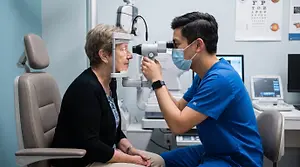
Contact Lenses for Astigmatism
Astigmatism can make vision appear blurry or distorted because of the way light focuses inside the eye. Astigmatism lenses, often called toric lenses, are designed to provide the specific vision correction these eyes need.

Bifocal & Multifocal Contact Lenses
Bifocal and multifocal contact lenses contain different corrective powers to help provide vision at more than one distance. Dr. Miller can talk with you about your visual needs and determine whether multifocals may be an appropriate option for your eyes.
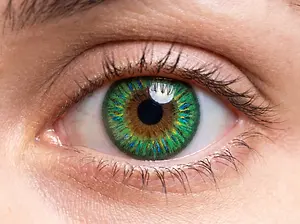
Colored Contact Lenses
Color contacts can enhance or change the appearance of your natural eye color while providing vision correction. They still sit directly on your eyes, which means proper fitting and professional eye care matter just as much as they do with other contact lenses.
Monovision Contact Lenses
Monovision offers another approach for patients who need help seeing near and far. One eye is typically corrected primarily for distance vision, while the other is corrected primarily for near vision. Your brain learns to use the information from both eyes.
Specialty Contact Lenses for More Unique Needs
Some eyes need a little more attention when it comes to contact lenses. An irregular cornea or condition such as keratoconus or corneal ectasia can make traditional soft contacts more difficult to wear or less effective for vision correction.
Miller Vision Center offers selected specialty hard and soft contact lenses for patients with more complex vision needs. Dr. Miller can evaluate your eyes and determine whether one of our specialty contact lens options may be appropriate.